Structuring Capital for Europe’s Next Phase: workshop with EIB Group, the Economic Office of the President, ENISA & Gradiant

At the European Innovation and Entrepreneurship Forum 2026, held at the European Commission & Parliament Permanent Representation in Madrid, Future Literacy Group organized and moderated a strategic discussion on one of the most pressing structural questions for Europe: how to finance and scale strategic technological capabilities in a contested global environment.

The workshop -part of the Foro Innova Emprende- brought together institutional, financial and technological actors to address the evolving role of capital in strengthening Europe’s technological sovereignty, resilience and competitiveness.

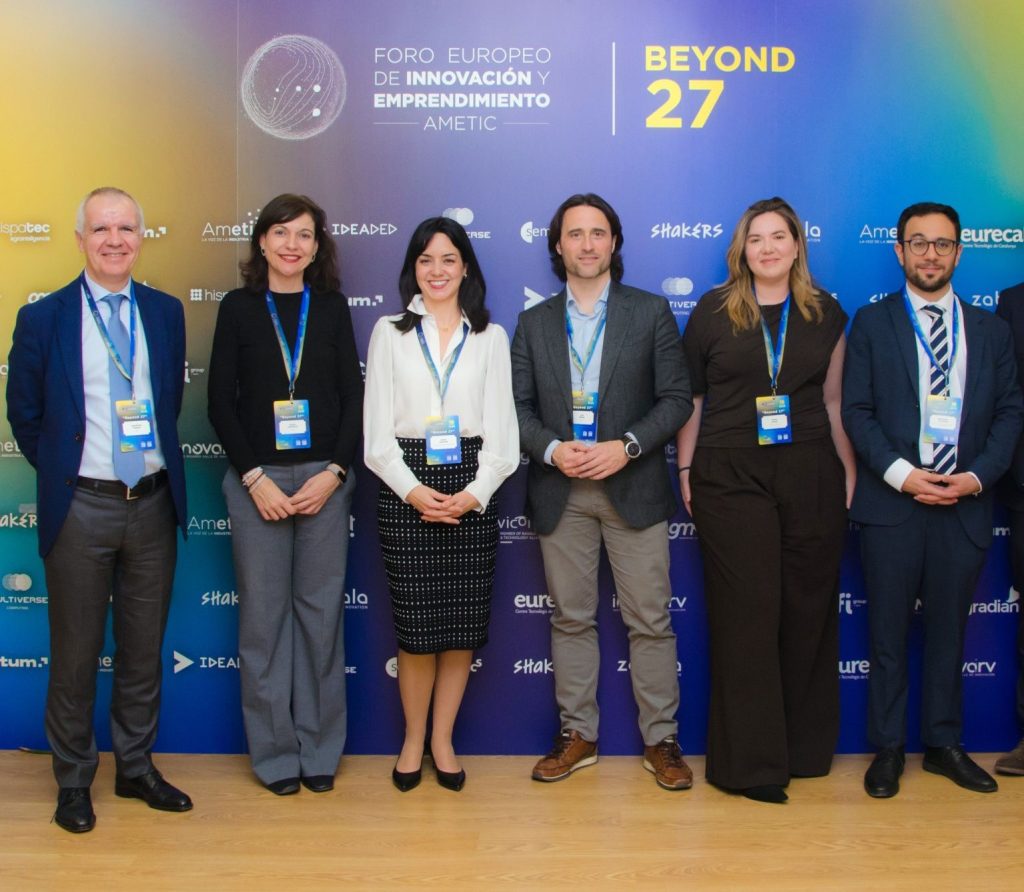
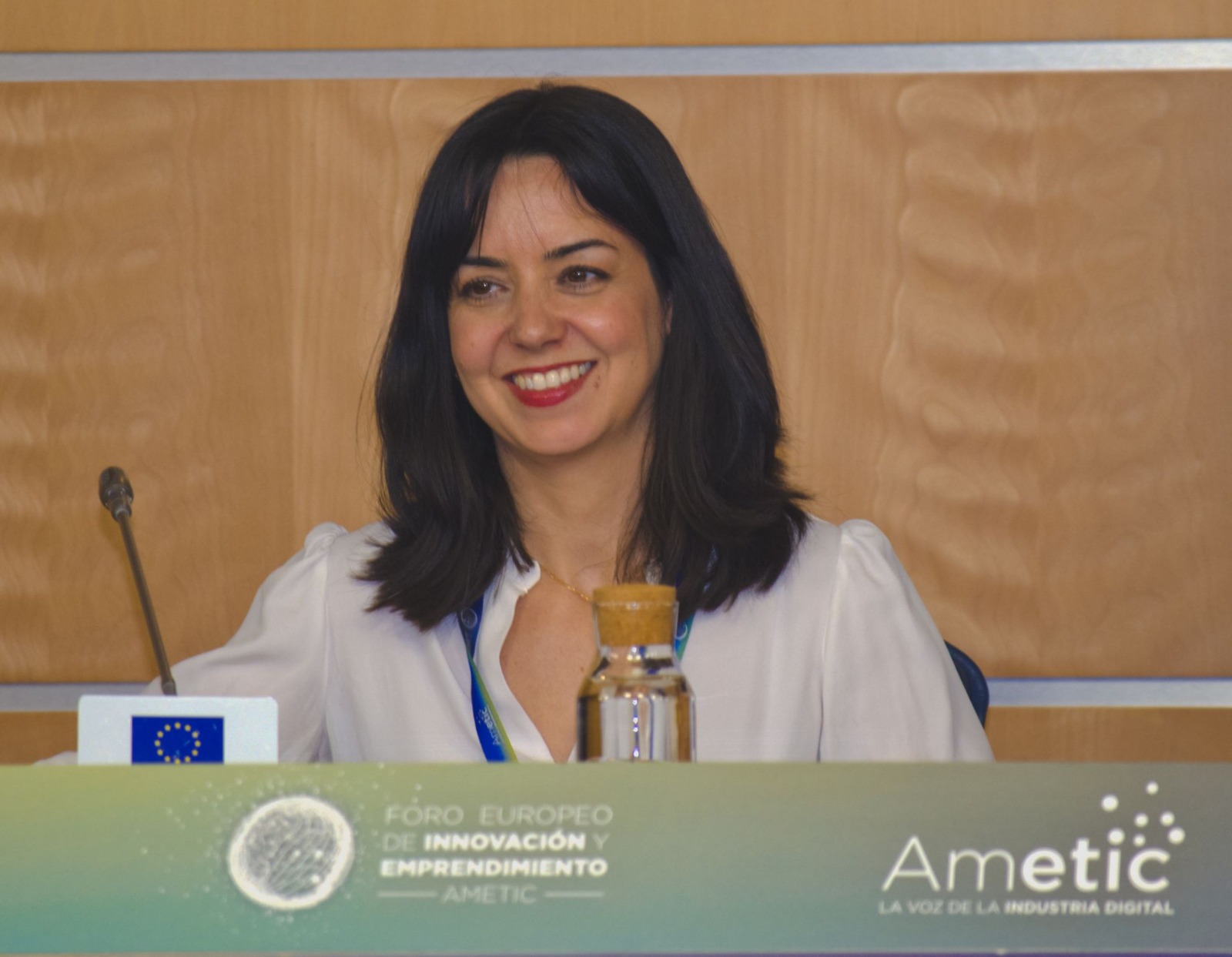
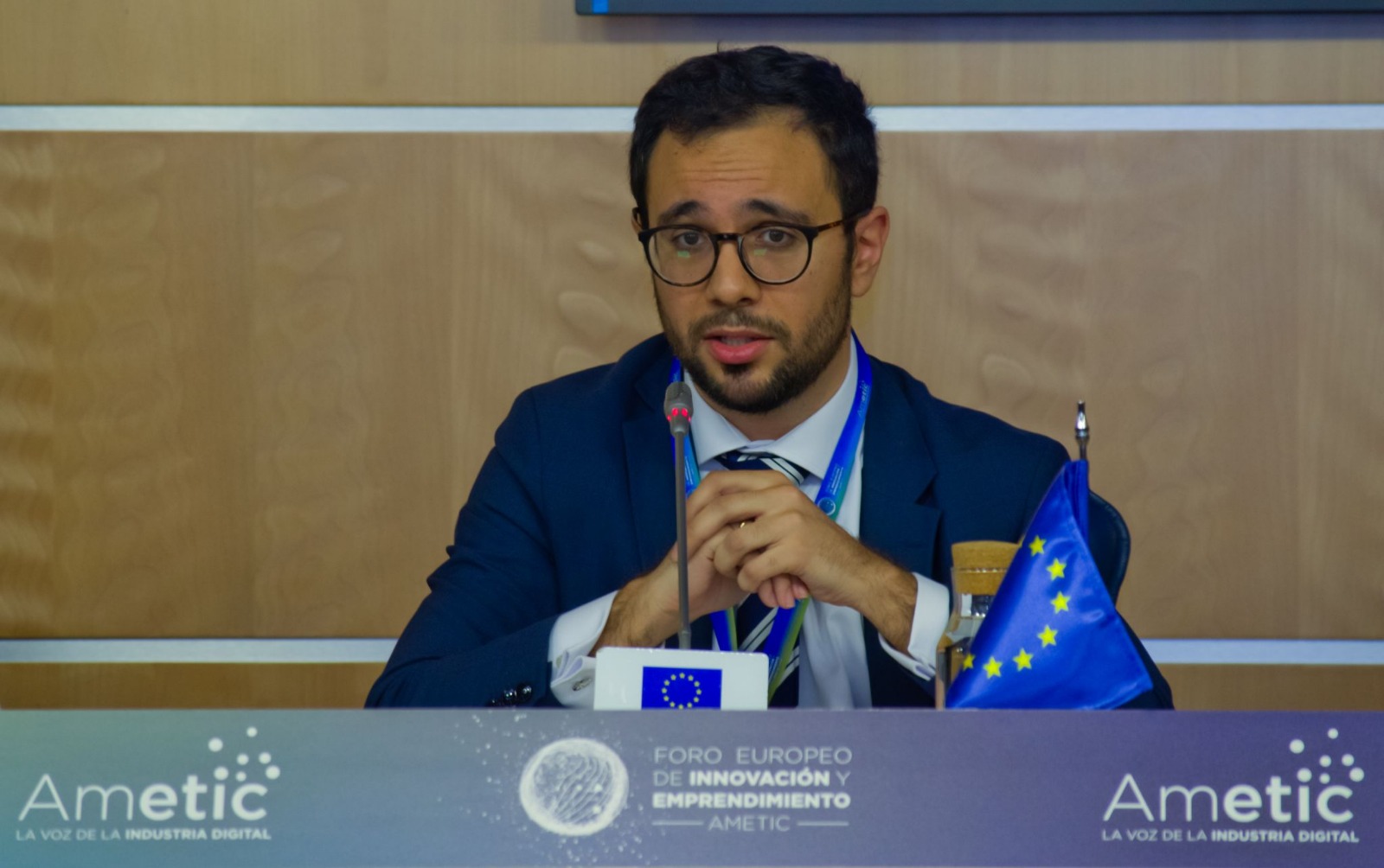
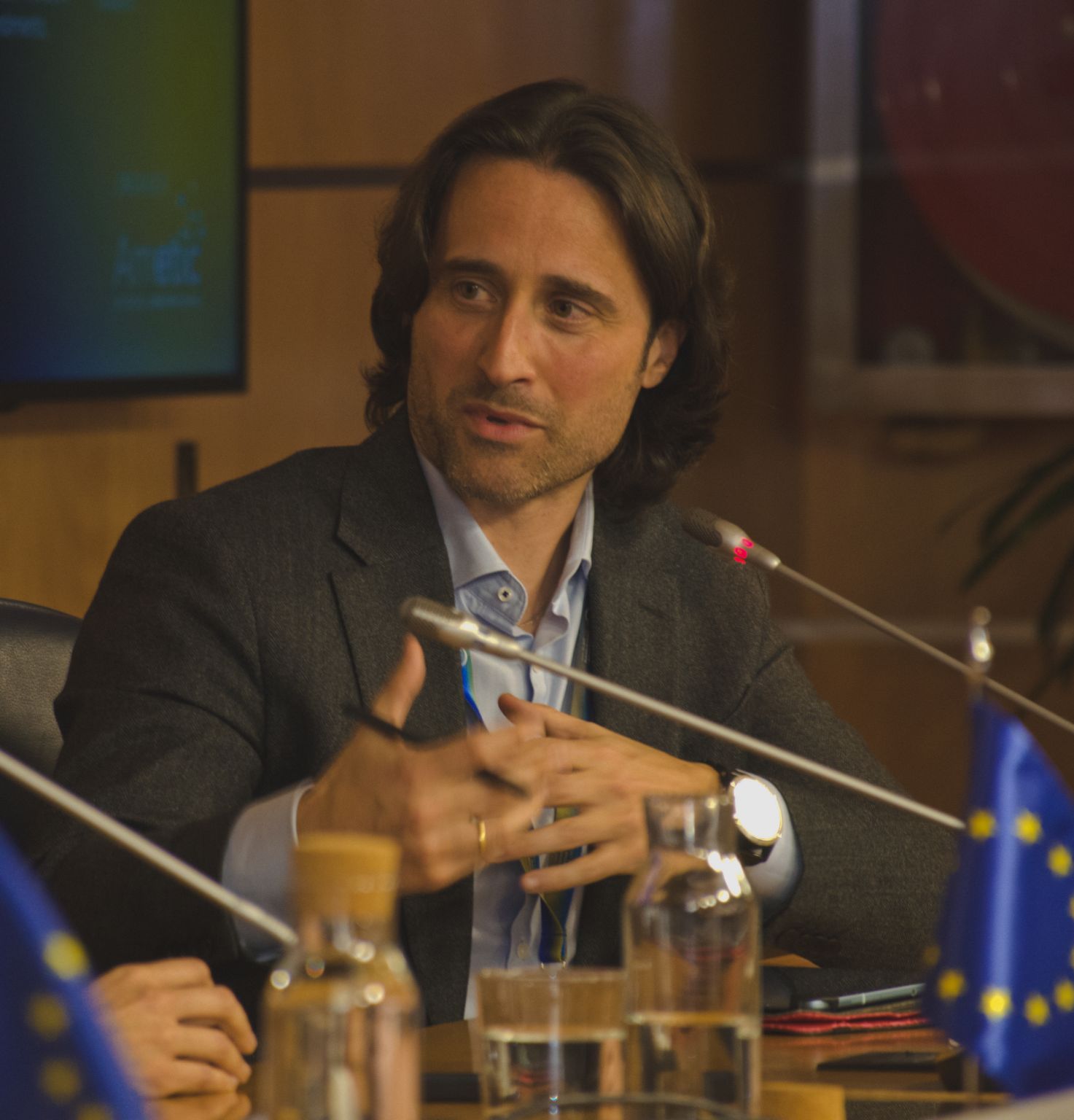
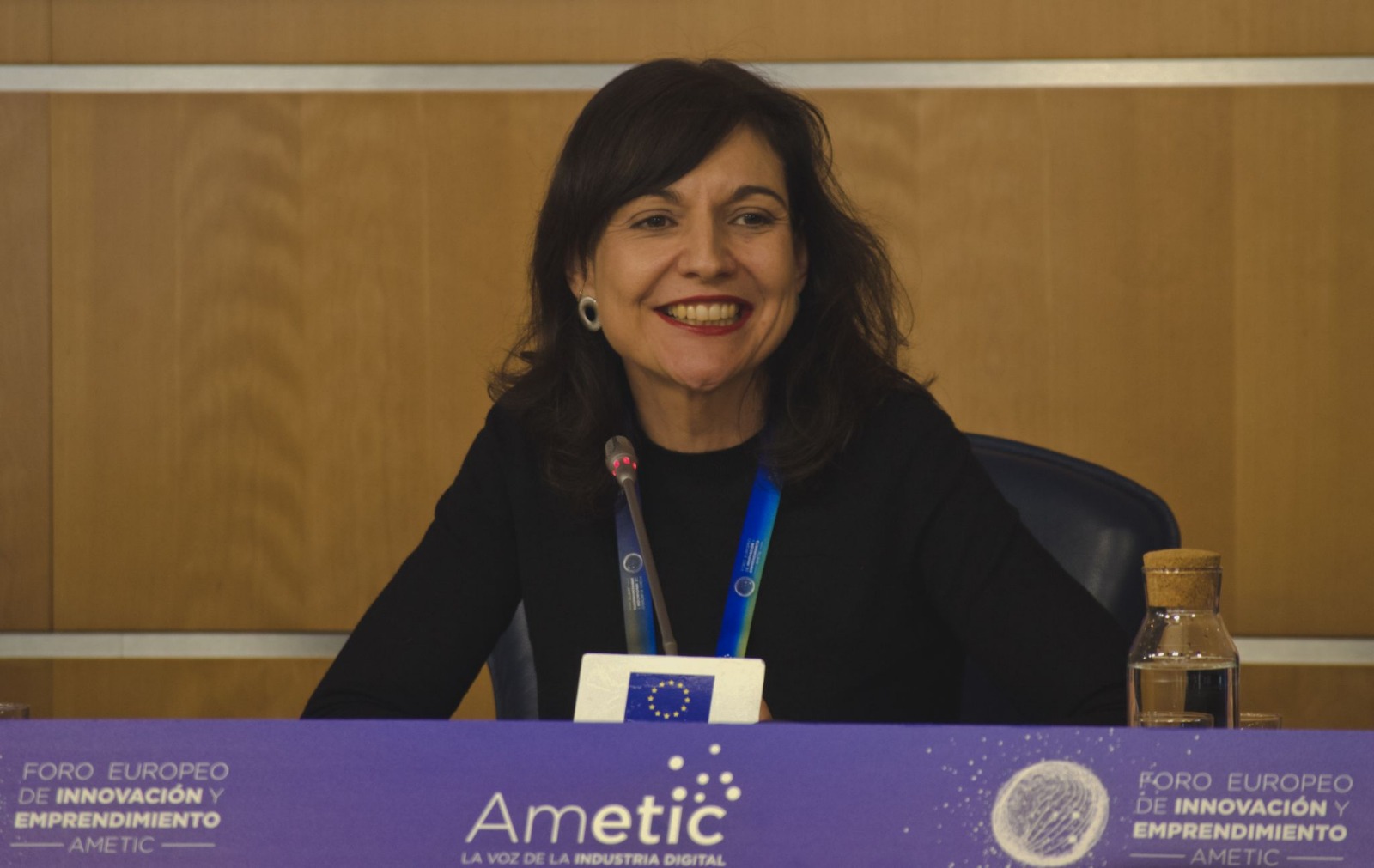
The session was moderated by María Luque Fernández, CEO of Future Literacy Group and Vice President of the Innovation and Entrepreneurship Commission at AMETIC, with Luis Pérez-Freire, Executive Director of Gradiant, acting as challenger. The panel featured:

  • María Romano, Head of the European Investment Bank (EIB) Office in Spain
  • Fernando Villamón Barranco, Deputy Director General for Strategic Projects, Economic Office of the Prime Minister of Spain
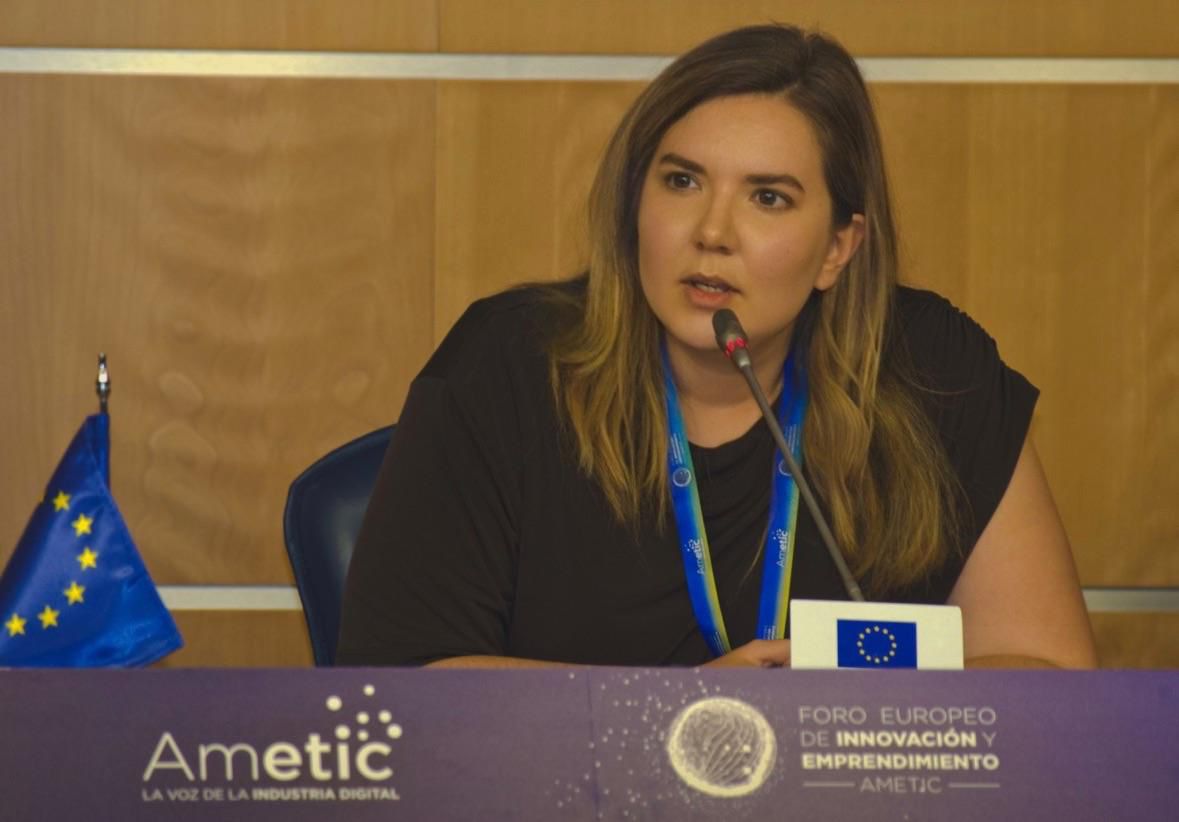
  • Rocío Castrillo Cancela, Director of Entrepreneurship and Strategy, ENISA

A Structural Transition in Capital Allocation

The debate took place against a broader structural transition in the global economic system. As outlined in the situation briefing prepared by Future Literacy and Gradiant ahead of the session, the current context is not a cyclical crisis, but a reconfiguration of globalization itself.

For decades, globalization rested on two pillars: trade liberalization and financial liberalization. While the first has fragmented due to geopolitical tensions, the second is now entering a quieter but equally structural transformation. Capital is becoming increasingly directional, strategic and policy-aligned, with public actors playing a stronger role in guiding investment priorities.

For Europe’s digital industry, this shift is material. Digital technologies are no longer treated solely as growth drivers, but as foundational assets supporting competitiveness, resilience and technological sovereignty. The key question is no longer whether capital should support innovation, but how financial architecture can do so coherently and at scale.

Europe faces several structural challenges:

  • An incomplete Capital Markets Union, limiting long-term investment in capital-intensive technologies
  • A widening financing gap for critical infrastructure such as AI, advanced computing, energy and data centers
  • Fragmentation across public-private financial instruments despite their sophistication
  • Difficulty supporting deep tech from early stages to industrial scaling without loss of technological control

This structural framing guided the discussion, shifting the focus from “more capital” to how capital should operate strategically when financing technologies critical for sovereignty.

Strategic Capital for Deep Tech Capabilities

Opening the discussion, María Luque Fernández emphasized the need for a strategic lens:

“We are not dealing with just any type of innovation, but with capital-intensive technologies that respond to a very specific ‘why’: security, resilience, competitive advantage, and that require a financial architecture capable of supporting them until they become real capabilities.”

This framing set the tone for a discussion focused on long-term technological capability building, rather than short-term innovation cycles.

European Financial Architecture and Strategic Priorities

María Romano highlighted the growing institutional recognition of innovation financing as a strategic priority:

“Financing innovation is a strategic priority.”

She pointed to initiatives such as TechEU, aiming to mobilize 250 billion euros to support key technologies and strengthen European autonomy, and to the push for a Savings and Investments Union designed to “get EU capital to work for Europeans.”

Her remarks underscored the ongoing evolution of European financial architecture toward directed capital supporting strategic technologies.

Sovereignty and Strategic Investment Governance

Fernando Villamón addressed the sovereignty dimension directly:

“Key elements of the technological stack cannot remain exposed to third countries.”

He emphasized the importance of structuring strategic investments and developing partnerships that reinforce Spain’s leadership and autonomy. Strategic Investment Projects will be categorised and prioritised under the Spanish framework, and a Committee has been created to identify and leverage them.

This reflects a broader shift toward policy-aligned investment governance linking innovation, industrial policy and national capability.

The Role of R&D Centres and Universities

Luis Pérez-Freire highlighted the upstream origins of deep tech innovation:

“The future is built in universities and technology centres.”

He emphasized the need to combine financing, technological support and market access, reinforcing the importance of end-to-end capability development from research to industrial deployment.

Talent, Early-Stage Support and Capital Formation

Rocío Castrillo Cancela focused on early-stage innovation dynamics:

“Talent comes first, capital follows.”

She emphasized the role of instruments such as participatory loans in activating early-stage innovation, highlighting the importance of sequencing support mechanisms across the innovation lifecycle.

From Innovation to Industrial Capacity

The dialogue converged on a clear conclusion: Europe is moving toward a more directed capital model, but the challenge remains structural: financing, supporting and scaling innovation into industrial capacity.

This requires:

  • Alignment between capital and strategic purpose

  • Long-term accompaniment of deep tech assets

  • Coordination between European and national instruments

  • Stronger links between research, industry and finance
 

If you’d like to explore collaborations:

maria.luque@futureliteracy.eu
www.futureliteracy.eu/argo