
Geopolitics · 18 November 2026
Investment and Provider Risk in Critical Technology Infrastructure
New US export controls on advanced AI chips and remote computing are changing the risk landscape for data centres in Malaysia and Southeast Asia, and for the investors, lenders, suppliers and businesses that depend on them.
Future Literacy Group
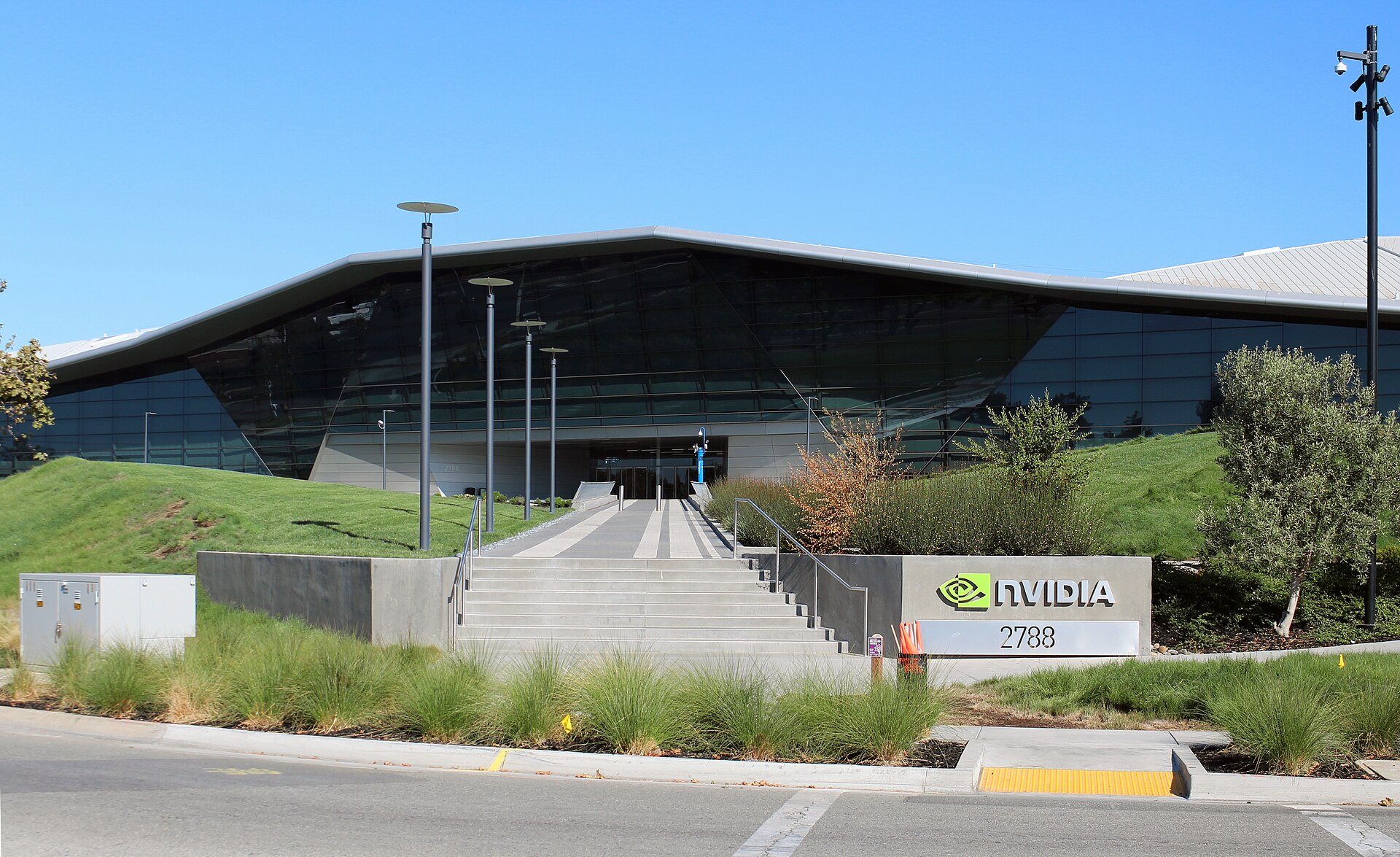
When technology access becomes investment risk: new US export controls are changing the risk landscape for data centres, AI infrastructure and the businesses that depend on them.
What is happening?
On 16 November 2026, the US Bureau of Industry and Security announced new controls affecting advanced computing chips and remote access to high-performance computing.
The measures introduce additional licensing requirements for certain advanced-chip exports to Malaysia, Singapore, Indonesia, Thailand and Brazil. They also impose restrictions on certain data-centre services providing significant computing capacity to companies headquartered in China, Macau and other restricted jurisdictions.
The rules bring greater scrutiny to ownership, control, customers and the ultimate users of computing capacity. They are scheduled for publication in the Federal Register on 19 November.
This is not a general ban on data-centre investment or services to Chinese companies. The impact depends on the technology involved, the destination, the ownership structure and the end use.
Why does it matter?
A data centre can have land, power, financing and construction in place, and still face problems accessing the technology or customers needed to operate.
The risk is no longer limited to the physical infrastructure. It can sit in a supplier, an investor, a customer's ownership structure or a cloud-service arrangement.
For example, a financial institution or technology company renting AI computing capacity in Singapore or Malaysia may not own the hardware. But its ownership and the identity of its ultimate users may still matter to the provider's regulatory assessment.
These checks can affect access to GPUs, customer eligibility, financing decisions, contractual obligations and project timelines.
The commercial consequences can be significant: delayed procurement, restricted services, paused financing or infrastructure that cannot operate at its expected capacity. Recent reporting by The Straits Times has already described financing concerns around a Malaysian data-centre project following the announcement of the new rules.
Who is exposed?
The implications extend across the infrastructure and technology value chain:
- /Data-centre developers and operators need to understand whether their technology, customers and ownership structures create licensing or access issues.
- /Investors and lenders need to assess whether regulatory exposure could affect project delivery, utilisation, revenues or expected returns.
- /Technology suppliers and integrators need visibility into the origin of components, intermediaries, customers and end users.
- /Engineering and construction companies may face delayed awards, procurement changes or project disruption if financing or technology access is affected.
- /Businesses using rented AI compute need to understand whether their ownership, corporate structure or intended use could affect access to services.
For projects in Malaysia, these considerations sit alongside domestic requirements on energy, water, planning and sustainable data-centre development. Regulatory exposure needs to be assessed across the full project, not in isolation.
How can organisations prepare?
Traditional due diligence often focuses on the immediate counterparty, its financial position and the terms of a transaction. That may not be enough when regulatory exposure can arise further down the ownership chain, through technology dependencies or from the end use of a service.
Organisations need a clearer view of:
- /Who ultimately owns or controls their counterparties and customers.
- /Where critical technologies and components originate.
- /Which jurisdictions and regulatory regimes affect the project.
- /Who will ultimately use the infrastructure or computing capacity.
- /Which dependencies could disrupt procurement, financing or operations.
The objective is to identify material exposure before it becomes a contractual, operational or financial problem.
Strategic Intelligence for Critical Infrastructure & Investment
Understanding exposure. Anticipating disruption. Strengthening strategic decisions.
ARGO is Future Literacy Group's strategic and operational intelligence unit.
We support organisations investing in critical infrastructure, advanced technologies and international partnerships by identifying strategic dependencies, assessing counterparty exposure and translating geopolitical, technological and regulatory developments into actionable intelligence.
Our work combines:
- /Strategic Due Diligence: Counterparty intelligence, ownership structures, partner assessment and investment exposure.
- /Technology & Supply Chain Intelligence: Critical technology dependencies, supplier exposure and international supply-chain vulnerabilities.
- /Regulatory & Geopolitical Intelligence: Export controls, jurisdictional exposure and emerging regulatory developments.
- /Infrastructure Governance & Resilience: Strategic risk assessment, third-party oversight, early-warning indicators and decision-support frameworks.
ARGO works alongside established legal, technical and audit specialists where specialist validation or assurance is required.
Our objective is to give decision-makers a clearer understanding of the dependencies, vulnerabilities and strategic implications behind their most important investments and partnerships.
To discuss your exposure, contact us.